
Introduction
As environmental awareness grows, more Kiwi homeowners are seeking ways to maintain beautiful yards while minimizing ecological impact. Eco-friendly yard maintenance isn't just about being "green" — it's about creating sustainable landscapes that support local ecosystems, conserve resources, and reduce pollution.
New Zealand's unique biodiversity makes sustainable practices especially important. From choosing native plants to reducing chemical use, there are many ways to maintain an attractive yard that benefits both you and the environment.
This comprehensive guide covers practical, effective eco-friendly yard maintenance practices that work in New Zealand conditions.
Understanding Eco-Friendly Principles
Sustainable yard care follows nature's patterns rather than fighting them.
Core Principles
- Work with nature: Use natural processes rather than chemicals
- Conserve resources: Minimize water, fuel, and energy use
- Support biodiversity: Create habitats for local wildlife
- Reduce waste: Compost, recycle, and reuse materials
- Prevent pollution: Avoid chemicals that harm waterways and soil
Benefits of Eco-Friendly Practices
- Healthier environment: Less chemical runoff into waterways
- Cost savings: Reduced water and chemical expenses
- Lower maintenance: Healthier plants need less intervention
- Wildlife support: Attract beneficial insects and birds
- Soil improvement: Natural methods build healthy soil
Sustainable Lawn Care
Traditional lawns can be resource-intensive, but there are greener alternatives.
Grass Selection
- Choose appropriate varieties: Select drought-tolerant grasses
- Native options: Consider native grasses over exotic types
- Grass alternatives: Use low-growing groundcovers in some areas
- Mowing height: Keep grass longer to shade roots and reduce evaporation
- Overseeding: Choose eco-friendly grass seed mixes
Natural Lawn Care
- Organic fertilizers: Use compost and natural soil amendments
- Natural pest control: Encourage beneficial insects
- Proper watering: Water deeply but infrequently
- Mulching clippings: Leave clippings to return nutrients to soil
- Aeration: Improve soil health naturally
Water Conservation Techniques
New Zealand's variable rainfall makes water-wise gardening essential.
Efficient Watering
- Drip irrigation: Use targeted watering systems
- Rainwater collection: Install water tanks for garden use
- Timing: Water early morning or evening to reduce evaporation
- Soil moisture: Check soil before watering
- Mulching: Reduce evaporation with organic mulch
Drought-Tolerant Landscaping
- Native plants: Choose species adapted to local conditions
- Zoning: Group plants by water needs
- Hardscaping: Use gravel, rocks, and paths to reduce lawn areas
- Groundcovers: Replace grass with low-water alternatives
- Permeable surfaces: Allow rainwater to soak into soil
Natural Pest and Weed Control
Reduce chemical use while maintaining plant health.
Preventive Measures
- Healthy soil: Strong plants resist pests naturally
- Companion planting: Use plants that benefit each other
- Beneficial insects: Attract ladybugs, lacewings, and bees
- Bird habitats: Encourage birds that eat garden pests
- Proper spacing: Give plants room to reduce disease
Natural Control Methods
- Neem oil: Natural pesticide from neem trees
- Soap sprays: Insecticidal soap for soft-bodied pests
- Diatomaceous earth: Natural pest barrier
- Beneficial nematodes: Control soil-dwelling pests
- Manual removal: Hand-pick pests when possible
Weed Management
- Mulching: Suppress weeds with organic mulch
- Proper mowing: Maintain correct grass height
- Hand weeding: Remove weeds before they seed
- Corn gluten: Natural pre-emergent herbicide
- Vinegar solutions: For spot weed control
Soil Health and Composting
Healthy soil is the foundation of eco-friendly gardening.
Soil Building
- Compost: Add organic matter to improve soil structure
- Cover crops: Plant green manures to enrich soil
- Minimal tillage: Preserve soil organisms and structure
- pH testing: Maintain appropriate soil acidity
- Organic amendments: Use natural fertilizers and conditioners
Composting Systems
- Backyard composting: Turn kitchen and yard waste into soil amendment
- Worm farming: Use worms to process organic waste
- Compost bins: Various systems for different space needs
- Leaf composting: Process autumn leaves separately
- Bokashi: Ferment food waste for garden use
Native Plant Landscaping
New Zealand's native plants offer sustainable beauty.
Benefits of Native Plants
- Low maintenance: Adapted to local conditions
- Water efficient: Require less irrigation once established
- Wildlife support: Provide food and habitat for native species
- Disease resistance: Natural immunity to local pests
- Biodiversity: Support local ecosystems
Popular Native Choices
- Groundcovers: Coprosma, Hebe, and native ferns
- Shrubs: Pittosporum, Pseudopanax, and Corokia
- Trees: Kōwhai, Tōtara, and native beech species
- Flowers: Hebe, Coprosma, and native orchids
- Grasses: Native tussocks and sedges
Chemical-Free Garden Care
Eliminate or reduce synthetic chemical use.
Natural Fertilizers
- Compost tea: Liquid fertilizer from compost
- Seaweed extract: Natural growth stimulant
- Fish emulsion: Organic nitrogen source
- Bone meal: Natural phosphorus supplement
- Rock minerals: Provide trace elements naturally
Organic Pest Control
- Pyrethrum: Natural insecticide from chrysanthemum flowers
- Bacillus thuringiensis: Biological control for caterpillars
- Neem products: Natural pest repellent and fungicide
- Garlic sprays: Natural insect deterrent
- Essential oils: Plant-based pest control
Wildlife-Friendly Practices
Create gardens that support local biodiversity.
Habitat Creation
- Bird feeders: Provide natural food sources
- Insect hotels: Shelter for beneficial insects
- Native plantings: Food and shelter for wildlife
- Water sources: Bird baths and shallow ponds
- Shelter areas: Leave some areas wild and undisturbed
Wildlife Corridors
- Hedgerows: Plant native hedges for wildlife movement
- Vertical layering: Mix trees, shrubs, and groundcovers
- Wild areas: Leave corners unmown for biodiversity
- Log piles: Create habitat for insects and small animals
- Rock gardens: Shelter for lizards and beneficial insects
Waste Reduction Strategies
Minimize garden waste and environmental impact.
Recycling and Reuse
- Green waste composting: Process all plant material
- Tool maintenance: Extend equipment life through care
- Water recycling: Use greywater for garden irrigation
- Material reuse: Repurpose containers and materials
- Battery recycling: Properly dispose of old batteries
Sustainable Purchasing
- Quality tools: Buy durable equipment that lasts
- Eco-friendly products: Choose sustainable garden supplies
- Local sourcing: Support local nurseries and suppliers
- Bulk purchasing: Reduce packaging waste
- Multi-use items: Choose versatile garden tools
Energy Conservation
Reduce the carbon footprint of yard maintenance.
Equipment Choices
- Manual tools: Use hand tools for small areas
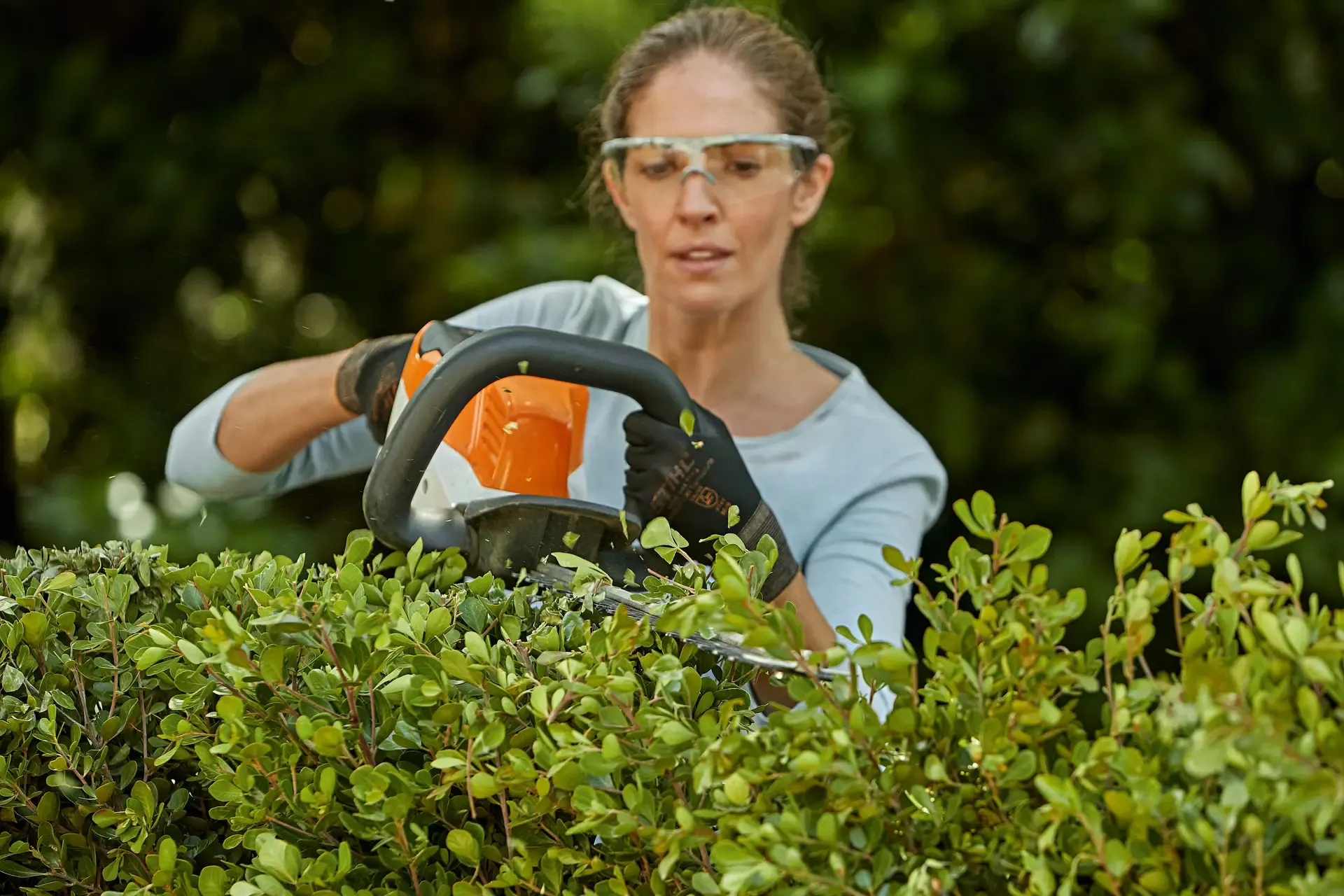
- Battery equipment: Choose rechargeable over petrol
- Efficient mowers: Select energy-saving models
- Solar charging: Use solar panels for battery charging
- Tool sharing: Share equipment with neighbors
Maintenance Practices
- Sharp blades: Keep tools sharp for efficiency
- Proper storage: Maintain equipment to extend life
- Regular servicing: Keep machinery running efficiently
- Fuel efficiency: Use petrol equipment sparingly
- Electric alternatives: Choose electric tools when possible
Seasonal Eco-Maintenance
Adapt practices to seasonal conditions.
Spring
- Soil preparation: Add compost and prepare beds
- Native planting: Best time for establishing natives
- Beneficial insect release: Introduce helpful insects
- Mulch application: Apply organic mulch
- Water system setup: Install efficient irrigation
Summer
- Water conservation: Use drought-tolerant practices
- Pest monitoring: Watch for and control pests naturally
- Deadheading: Remove spent flowers to encourage more
- Mulch maintenance: Keep mulch layers intact
- Wildlife support: Provide water during dry periods
Autumn
- Leaf composting: Process fallen leaves
- Soil building: Add organic matter
- Plant division: Divide and transplant perennials
- Tool maintenance: Service equipment for winter
- Wildlife preparation: Create winter habitats
Winter
- Planning: Design sustainable garden improvements
- Seed collection: Save seeds from native plants
- Soil protection: Use cover crops or mulch
- Equipment storage: Properly store tools
- Wildlife feeding: Support birds during lean months
Measuring Environmental Impact
Track your sustainability progress.
Assessment Methods
- Water usage tracking: Monitor irrigation water use
- Waste auditing: Measure garden waste production
- Biodiversity surveys: Count wildlife species in your garden
- Soil testing: Monitor soil health improvements
- Energy tracking: Record equipment fuel and electricity use
Success Indicators
- Reduced water use: Lower water bills and consumption
- Increased wildlife: More birds, insects, and beneficial species
- Healthier plants: Less disease and pest problems
- Soil improvement: Better soil structure and fertility
- Cost savings: Reduced spending on water and chemicals
Eco-friendly yard maintenance creates beautiful, sustainable landscapes that benefit both homeowners and the environment. By working with nature rather than against it, you can maintain an attractive yard while supporting New Zealand's unique biodiversity.
Start small by implementing one or two changes at a time, and gradually expand your sustainable practices. The benefits — from cost savings to wildlife attraction — will become apparent as your garden becomes more in harmony with the natural world.
For guidance on implementing eco-friendly practices in your specific area, consult local gardening experts or your nearest STIHL-certified workshop. They can provide advice tailored to your local conditions and help you choose the right tools for sustainable yard care.
Remember: every sustainable choice contributes to a healthier environment for future generations.