
Introduction
Outdoor power equipment is incredibly useful, but it can also be dangerous if not handled properly. Chainsaws, ride-on mowers, and other powered tools have the potential to cause serious injury if safety features aren't working correctly.
The good news? Most accidents can be prevented with simple pre-use safety checks. Taking a few minutes to inspect your equipment before each use could save you from injury, property damage, or costly repairs.
This comprehensive guide covers the essential safety checks you should perform before starting any outdoor power tool, with specific advice for Kiwi users.
Why Safety Checks Matter
Outdoor power equipment accidents happen more often than you might think. According to WorkSafe New Zealand, thousands of people are injured each year using lawnmowers, chainsaws, and similar tools.
Common Accident Causes
- Faulty safety switches that don't stop the machine
- Damaged guards that fail to protect users
- Worn or damaged blades that can break or throw debris
- Poor maintenance leading to unexpected failures
- User error when safety features aren't working
Regular safety checks catch these issues before they cause problems.
Personal Protective Equipment (PPE)
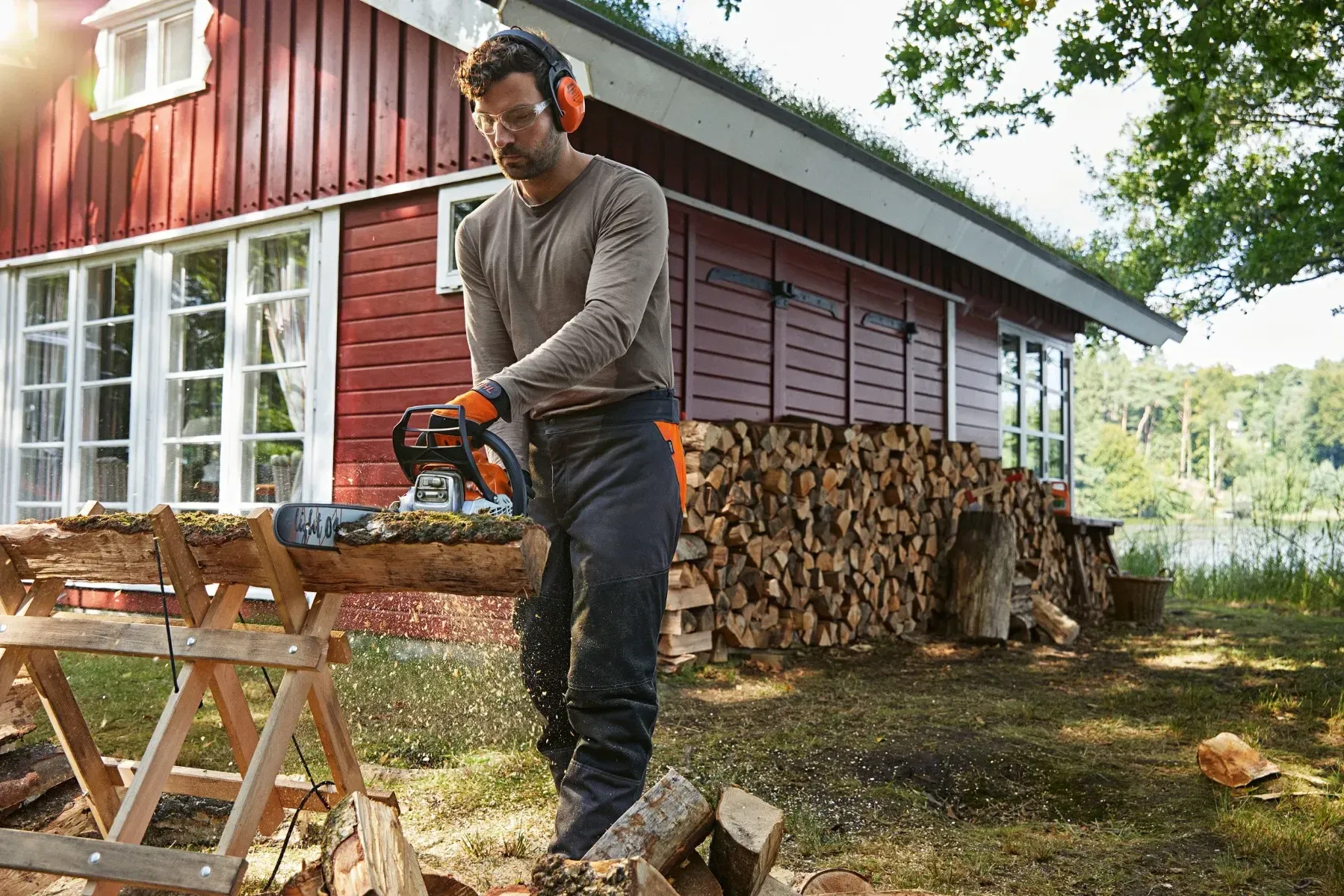
Before even looking at the machine, ensure you have the right protective gear.
Essential PPE for Different Tools
For Chainsaws
- Safety helmet with face shield or goggles
- Hearing protection (ear muffs or plugs)
- Chainsaw safety gloves with reinforced palms
- Chainsaw safety boots with cut-resistant material
- Chainsaw chaps or pants for leg protection
For Ride-on Mowers
- Safety glasses or goggles
- Hearing protection for extended use
- Sturdy, closed-toe shoes
- Long pants to protect legs
For Handheld Tools (Blowers, Trimmers)
- Safety glasses or goggles
- Hearing protection
- Gloves for better grip and hand protection
- Long pants and sleeves
PPE Tips
- Replace damaged or worn PPE immediately
- Ensure all PPE fits properly and is comfortable
- Store PPE in a dry, accessible location
- Check expiry dates on safety equipment
Pre-Start Visual Inspection
Start with a visual check of the entire machine before attempting to start it.
What to Look For
Engine and Fuel System
- Fuel leaks: Check for wet spots or strong fuel smells
- Fuel cap: Ensure it's securely fastened
- Air filter: Should be clean and properly seated
- Fuel lines: Look for cracks, kinks, or damage
Cutting Components
- Blades: Check for damage, cracks, or missing parts
- Guards: Ensure all guards are present and securely attached
- Chain tension (chainsaws): Should have proper slack
- Chain sharpness (chainsaws): Dull chains are dangerous
Safety Features
- Kill switches: Test that they move freely
- Safety levers: Check for proper operation
- Throttle controls: Should return to idle when released
- Brake systems: Particularly important for ride-on mowers
General Condition
- Cables and wires: Look for fraying or damage
- Bolts and fasteners: Ensure everything is tight
- Handles and grips: Should be secure and undamaged
- Warning labels: Must be present and legible
Functional Safety Tests
Once the visual inspection is complete, perform functional tests with the engine off.
Safety Switch Tests
Deadman Switches
- Test that the machine stops when you release the control
- For ride-on mowers: Machine should stop when you leave the seat
- For handheld tools: Engine should die when throttle is released
Chain Brakes (Chainsaws)
- Test the chain brake by activating it manually
- Ensure it stops the chain quickly (within seconds)
- Check that it resets properly
Blade Brakes (Mowers)
- Engage the blade brake and confirm blades stop immediately
- Test both manual and automatic brake functions
Control Tests
Throttle and Speed Controls
- Test full range of motion
- Ensure controls return to neutral/idle position
- Check for smooth operation without sticking
Clutch Systems
- Test engagement and disengagement
- Ensure proper operation at all speeds
Starting and Running Tests
Only after passing all pre-start checks should you attempt to start the machine.
Safe Starting Procedures
General Rules
- Start in a clear, open area away from people and obstacles
- Keep the machine pointed away from yourself and others
- Never start a machine that's been tipped or dropped recently
- Use the correct starting procedure for your specific model
Chainsaw Starting
- Place the saw on flat ground with the chain pointing away
- Ensure the chain brake is engaged during starting
- Start with the chain brake on, then release once running
Ride-on Mower Starting
- Ensure you're seated properly
- Keep feet and hands clear of moving parts
- Test all controls before moving
Running Tests
Vibration and Noise
- Excessive vibration indicates problems
- Unusual noises suggest mechanical issues
- Stop immediately if anything feels or sounds wrong
Performance Checks
- Engine should run smoothly without excessive smoke
- All controls should respond properly
- Safety features should work as expected
Environmental Safety Considerations
Safety isn't just about the equipment — it's also about your surroundings.
Work Area Preparation
Clear the Area
- Remove rocks, sticks, and other debris that could be thrown
- Mark underground utilities before digging
- Keep children and pets at a safe distance
- Have a clear escape route planned
Weather Conditions
- Avoid using equipment in wet conditions (slippery surfaces)
- Don't use petrol tools in enclosed spaces
- Be aware of wind direction when using blowers
- Stop work during electrical storms
Terrain Considerations
- Work on stable, level ground when possible
- Be extra cautious on slopes
- Watch for hidden obstacles like tree roots
- Maintain proper footing at all times
Emergency Preparedness
Even with the best safety practices, accidents can happen. Be prepared.
Emergency Equipment
- First aid kit appropriate for outdoor injuries
- Fire extinguisher for fuel-related fires
- Mobile phone for emergency calls
- Whistle to signal for help
Emergency Contacts
- 111 for medical emergencies
- Local emergency services
- Poison control for chemical exposures
- Equipment manufacturer for technical issues
Personal Emergency Plan
- Know the location of the nearest hospital
- Have someone nearby who knows your location
- Keep emergency contact information handy
- Know how to shut down equipment quickly
Maintenance and Storage
Proper maintenance keeps your equipment safe for longer.
Regular Maintenance Tasks
Daily/Weekly Checks
- Clean equipment after each use
- Inspect for damage or wear
- Check fluid levels
- Test all safety features
Seasonal Servicing
- Professional tune-up annually
- Replace worn parts before they fail
- Update safety labels as needed
- Calibrate safety systems
Safe Storage Practices
Fuel Safety
- Store fuel in approved containers
- Keep fuel away from heat sources
- Use fresh fuel (don't store mixed fuel long-term)
- Dispose of old fuel properly
Equipment Storage
- Store in a dry, secure location
- Disconnect batteries from electric tools
- Engage all safety features when storing
- Keep away from children and unauthorised users
Common Safety Mistakes to Avoid
Don't Skip the Checks
- Never assume "it worked last time" means it's safe now
- Always perform the full safety inspection
- Don't let familiarity breed complacency
Don't Modify Equipment
- Never remove or disable safety features
- Don't use unapproved attachments
- Don't modify controls or guards
Don't Take Risks
- Never operate equipment when tired or distracted
- Don't work alone on dangerous jobs
- Don't attempt repairs you're not qualified to do
Professional Servicing Benefits
While you can perform many safety checks yourself, professional servicing ensures everything is thoroughly inspected.
What Professionals Check
- Internal components you can't see
- Calibration of safety systems
- Wear on critical parts
- Compliance with safety standards
- Performance optimisation
When to Book Professional Service
- Annually for regular maintenance
- After any accident or near-miss
- When safety features aren't working properly
- Before the busy season starts
Safety with outdoor power equipment isn't optional — it's essential. By performing these essential safety checks before each use, you're protecting yourself, your family, and your property from preventable accidents.
Remember: if something doesn't feel right, stop and get it checked. Your safety is worth the extra time and care. For professional servicing and safety advice, visit your local STIHL-certified workshop — we're here to help you work safely and efficiently.