
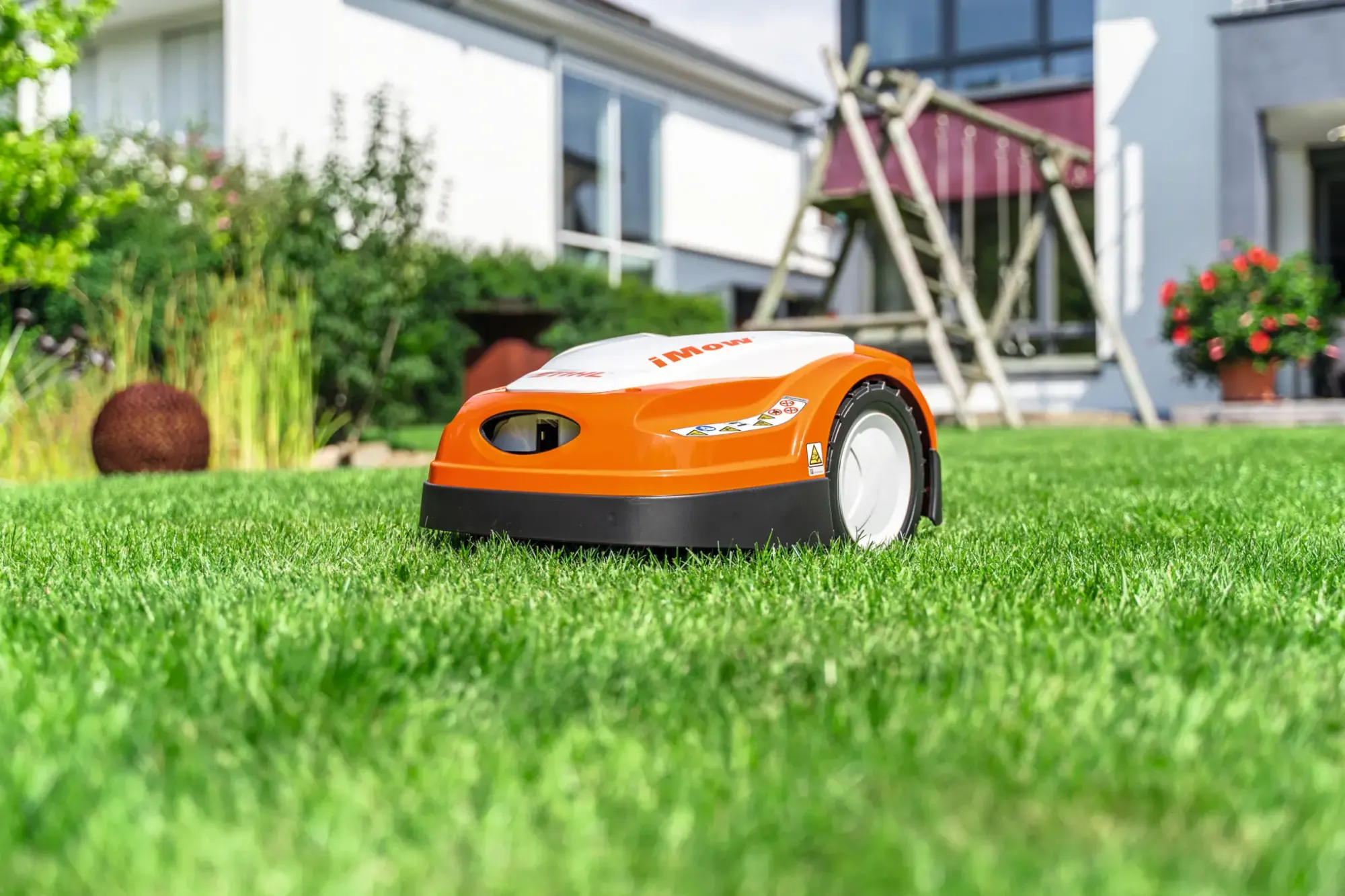
Introduction
The outdoor power equipment industry is on the cusp of a technological revolution. From artificial intelligence and autonomous operation to advanced battery technology and sustainable materials, the tools of tomorrow will be smarter, cleaner, and more efficient than ever before.
New Zealand's unique environmental conditions and commitment to sustainability make it an ideal testing ground for innovative equipment technologies. As climate concerns grow and labor costs rise, manufacturers are developing solutions that address both environmental impact and user needs.
This comprehensive guide explores the emerging technologies that will shape the future of outdoor power equipment, with insights into what Kiwi users can expect in the coming years.
Battery Technology Evolution
Advanced battery systems are transforming equipment capabilities.
Next-Generation Batteries
Solid-State Batteries:
- Higher energy density: 2-3x current capacity
- Faster charging: Minutes instead of hours
- Longer lifespan: 10+ years of reliable service
- Improved safety: Reduced fire and thermal risks
- Lighter weight: More power in smaller packages
Alternative Chemistries:
- Lithium-sulfur: Higher capacity than lithium-ion
- Sodium-ion: More abundant and cost-effective materials
- Graphene-enhanced: Improved conductivity and lifespan
- Organic batteries: Eco-friendly, biodegradable options
- Hybrid systems: Combining multiple battery types
Smart Battery Management
Intelligent Systems:
- Predictive analytics: Anticipate battery failure
- Dynamic charging: Optimize charging based on usage
- Thermal management: Active cooling and heating
- Cell balancing: Maximize individual cell performance
- Usage tracking: Monitor and report battery health
Integration Features:
- Equipment communication: Batteries "talk" to tools
- Performance optimization: Adjust power delivery automatically
- Maintenance alerts: Proactive service notifications
- Usage history: Track performance over time
- Remote monitoring: Check battery status from anywhere
Artificial Intelligence Integration
AI is making equipment smarter and more autonomous.
Smart Equipment Features
Autonomous Operation:
- Self-guiding mowers: GPS and sensor navigation
- Adaptive cutting: Adjust to grass conditions automatically
- Obstacle avoidance: Detect and navigate around objects
- Pattern optimization: Efficient mowing paths
- Boundary learning: Remember and adapt to yard layout
Predictive Maintenance:
- Vibration analysis: Detect wear before failure
- Performance monitoring: Track efficiency and power use
- Service scheduling: Automatic maintenance reminders
- Problem diagnosis: Identify issues and suggest solutions
- Usage optimization: Recommend optimal operating parameters
Machine Learning Applications
Adaptive Performance:
- User preference learning: Remember operator settings
- Terrain adaptation: Adjust to different ground conditions
- Weather response: Modify operation based on conditions
- Task recognition: Automatically select appropriate settings
- Efficiency optimization: Learn most effective operating modes
Safety Enhancement:
- Risk assessment: Identify potentially dangerous situations
- Operator monitoring: Detect fatigue or unsafe practices
- Emergency response: Automatic shutdown in danger
- Training assistance: Guide users to safe operation
- Safety verification: Confirm proper equipment setup
Connectivity and IoT Integration
Internet-connected equipment enables remote management and data insights.
Smart Equipment Networks
Connected Tools:
- Mobile app control: Operate equipment from smartphone
- Remote monitoring: Check status and performance
- Usage tracking: Monitor operating hours and patterns
- Location services: GPS tracking for equipment security
- Firmware updates: Automatic software improvements
Data Analytics:
- Performance insights: Detailed usage and efficiency data
- Maintenance records: Comprehensive service history
- Cost tracking: Fuel, electricity, and maintenance expenses
- Optimization suggestions: AI-powered improvement tips
- Benchmarking: Compare performance with similar equipment
Fleet Management
Commercial Applications:
- Equipment tracking: Monitor entire equipment fleet
- Usage optimization: Schedule equipment efficiently
- Maintenance coordination: Centralized service management
- Cost analysis: Detailed operational expense tracking
- Performance benchmarking: Compare equipment efficiency
Residential Benefits:
- Multi-tool coordination: Synchronize battery use across tools
- Energy management: Optimize charging and power use
- Service reminders: Automated maintenance scheduling
- Warranty tracking: Monitor warranty status and claims
- Usage insights: Understand equipment needs and patterns
Sustainable Technology
Environmental considerations drive innovation in equipment design.
Eco-Friendly Materials
Sustainable Construction:
- Bio-based plastics: Plant-derived materials
- Recycled metals: Reused and recycled components
- Natural composites: Wood and plant fiber materials
- Low-impact manufacturing: Reduced environmental footprint
- End-of-life design: Equipment designed for recycling
Emission Reduction:
- Zero-emission operation: Pure electric and battery systems
- Efficient engines: Low-emission petrol alternatives
- Hybrid systems: Combined power sources for efficiency
- Carbon capture: Equipment that removes CO2 during operation
- Green manufacturing: Sustainable production processes
Resource Conservation
Efficient Design:
- Energy optimization: Maximum work per unit of energy
- Material efficiency: Minimal waste in construction
- Water conservation: Equipment that uses less water
- Noise reduction: Quieter operation for urban areas
- Lightweight construction: Less material, same performance
Circular Economy:
- Modular design: Easy repair and component replacement
- Upgradable systems: Update technology without full replacement
- Recycling programs: Comprehensive equipment recycling
- Parts availability: Long-term support for older equipment
- Trade-in programs: Equipment upgrade incentives
Autonomous and Robotic Equipment
Self-operating equipment is becoming increasingly sophisticated.
Robotic Lawn Care
Advanced Features:
- Multi-zone mowing: Handle complex yard layouts
- Weather adaptation: Adjust to rain, wind, and temperature
- Theft prevention: GPS tracking and security features
- Boundary precision: Sub-centimeter accuracy
- Pattern variety: Multiple mowing patterns for lawn health
Integration Capabilities:
- Smart home connectivity: Work with home automation systems
- Weather station integration: Respond to local weather data
- Irrigation system coordination: Mow before or after watering
- Security system compatibility: Avoid security camera areas
- Garden sensor network: Respond to soil and plant data
Autonomous Commercial Equipment
Large-Scale Applications:
- Fleet coordination: Multiple robots working together
- Task allocation: Automatic work distribution
- Progress monitoring: Real-time operation tracking
- Quality assessment: Verify work completion standards
- Safety protocols: Advanced collision avoidance systems
Management Systems:
- Centralized control: Single interface for multiple machines
- Performance analytics: Detailed productivity measurements
- Maintenance scheduling: Predictive service coordination
- Cost optimization: Efficient resource allocation
- Reporting systems: Comprehensive operational reports
Advanced Safety Systems
Safety technology continues to evolve rapidly.
Proactive Safety Features
Smart Protection:
- Real-time monitoring: Continuous safety system checks
- Predictive alerts: Warn of potential safety issues
- Automatic shutdown: Emergency stop capabilities
- Operator detection: Sense operator presence and condition
- Environmental awareness: Detect hazardous conditions
Enhanced PPE Integration:
- Connected safety gear: Equipment communicates with protective equipment
- Biometric monitoring: Track operator vital signs
- Fatigue detection: Alert operators when tired
- Training verification: Ensure operators are qualified
- Emergency response: Automatic emergency system activation
Collision Avoidance
Advanced Sensors:
- Multi-sensor arrays: Combine multiple detection technologies
- 360-degree awareness: Complete environmental monitoring
- Predictive algorithms: Anticipate potential collisions
- Speed adaptation: Adjust operation based on surroundings
- Emergency protocols: Automatic response to threats
Integration Features:
- Equipment communication: Tools warn each other of presence
- Boundary systems: Virtual fences and safety zones
- Proximity alerts: Warn of nearby people or equipment
- Emergency beacons: Signal distress or danger
- Safety logging: Record safety incidents and near-misses
User Interface Evolution
Equipment controls and interfaces are becoming more intuitive.
Advanced Controls
Touch and Gesture:
- Touchscreen interfaces: Intuitive equipment control
- Gesture recognition: Hand motion control systems
- Voice commands: Verbal equipment operation
- Augmented reality: Visual guides and instructions
- Haptic feedback: Touch-based operational cues
Personalization:
- User profiles: Customized settings for different operators
- Adaptive interfaces: Adjust to user preferences automatically
- Learning systems: Remember user habits and preferences
- Accessibility features: Support for users with disabilities
- Multi-language support: Interface in user's preferred language
Remote Operation
Mobile Integration:
- Smartphone control: Operate equipment from mobile devices
- Remote monitoring: Check equipment status from anywhere
- Virtual assistance: AI-powered operational support
- Cloud connectivity: Store settings and data online
- Social features: Share equipment and collaborate with others
Autonomous Features:
- Scheduled operation: Program equipment to work automatically
- Conditional operation: Start based on weather or conditions
- Coordinated tasks: Multiple equipment working together
- Progress updates: Real-time status notifications
- Completion alerts: Notifications when tasks finish
New Zealand-Specific Innovations
Local conditions drive specialized equipment development.
Climate Adaptation
Weather-Responsive Design:
- Rain detection: Automatic adjustment to wet conditions
- Wind compensation: Stable operation in windy conditions
- Temperature optimization: Performance adjustment for temperature
- Humidity management: Corrosion prevention in humid climates
- Frost protection: Cold weather operation capabilities
Terrain Solutions:
- Slope handling: Advanced systems for hilly properties
- Surface adaptation: Adjust to different ground types
- Ground clearance: Variable height for rough terrain
- Stability systems: Enhanced balance on uneven ground
- Traction control: Improved grip on slippery surfaces
Environmental Compliance
Sustainability Focus:
- Emission standards: Meet strict environmental regulations
- Noise reduction: Quiet operation for urban and rural areas
- Resource efficiency: Minimal water and energy use
- Waste reduction: Equipment designed for minimal environmental impact
- Recycling compatibility: Materials chosen for easy recycling
Biodiversity Support:
- Wildlife protection: Sensors to avoid native animals
- Habitat preservation: Equipment that works around sensitive areas
- Pollination support: Timing and methods that protect beneficial insects
- Soil conservation: Techniques that preserve soil health
- Ecosystem monitoring: Equipment that helps track environmental health
Economic and Accessibility Trends
Technology is making equipment more affordable and accessible.
Cost Reduction
Manufacturing Advances:
- 3D printing: Custom parts and rapid prototyping
- Automated production: Reduced manufacturing costs
- Material innovation: Cheaper sustainable materials
- Supply chain optimization: Efficient global sourcing
- Local manufacturing: Reduced transportation costs
Market Competition:
- New entrants: Innovative startups entering the market
- Technology sharing: Open-source equipment designs
- Subscription models: Equipment as a service
- Financing options: Affordable payment plans
- Used equipment: Certified pre-owned markets
Accessibility Improvements
User-Friendly Design:
- Simplified operation: Intuitive controls for all users
- Training reduction: Self-explanatory equipment
- Remote support: Expert help when needed
- Community networks: User groups and support communities
- Educational resources: Comprehensive learning materials
Inclusive Features:
- Age-friendly design: Equipment suitable for all ages
- Disability accommodation: Accessible controls and operation
- Multi-language support: Local language interfaces
- Cultural adaptation: Equipment suited to local preferences
- Economic diversity: Options for different budget levels
Challenges and Considerations
Innovation brings new challenges that must be addressed.
Technical Challenges
Infrastructure Needs:
- Charging networks: Widespread battery charging stations
- Connectivity coverage: Reliable internet and cellular service
- Data security: Protection of equipment and user data
- Interoperability: Equipment from different manufacturers working together
- Service networks: Technicians trained on new technologies
Reliability Concerns:
- Software bugs: Complex systems may have glitches
- Cybersecurity: Protection from hacking and malware
- Durability testing: New technologies need proven reliability
- Parts availability: Support for new component types
- Repair complexity: Specialized knowledge for advanced repairs
Regulatory and Ethical Issues
Safety Standards:
- Certification requirements: New technologies need approval
- Testing protocols: Rigorous safety validation
- Liability concerns: Responsibility for autonomous operation
- Insurance implications: Coverage for smart equipment
- Operator training: Skills needed for new equipment
Environmental Impact:
- Resource extraction: Materials needed for new technologies
- Manufacturing emissions: Environmental cost of production
- End-of-life disposal: Recycling complex equipment
- Energy consumption: Power requirements of smart systems
- E-waste generation: Disposal of outdated technology
Preparing for the Future
Steps users can take to embrace new technology.
Education and Training
Skill Development:
- Technology literacy: Understanding new equipment features
- Safety training: Learning to operate advanced systems
- Maintenance knowledge: Caring for new technology
- Troubleshooting skills: Diagnosing complex systems
- Update awareness: Staying current with new features
Resource Access:
- Manufacturer training: Official instruction programs
- Online resources: Digital learning materials
- Community networks: User groups and forums
- Professional development: Certification programs
- Educational partnerships: Schools and training centers
Investment Strategy
Equipment Selection:
- Future-proofing: Choose equipment with upgrade potential
- Compatibility: Ensure new equipment works with existing tools
- Scalability: Systems that can grow with your needs
- Support availability: Long-term service and parts support
- Resale value: Equipment that holds value over time
Budget Planning:
- Total cost of ownership: Consider long-term expenses
- Financing options: Payment plans for expensive equipment
- Insurance coverage: Protection for valuable equipment
- Maintenance contracts: Professional service agreements
- Upgrade programs: Trade-in and upgrade options
The future of outdoor power equipment promises smarter, cleaner, and more efficient tools that will transform how we maintain our properties. From AI-powered autonomous mowers to advanced battery technology and IoT connectivity, these innovations will make yard work easier, safer, and more environmentally friendly.
New Zealand's unique position as an innovative, environmentally conscious nation makes it an ideal location for adopting and adapting these new technologies. As the industry evolves, users who stay informed and embrace new developments will benefit from improved efficiency, reduced environmental impact, and enhanced safety.
The key to successfully navigating this technological evolution is staying informed, choosing equipment from reputable manufacturers, and working with qualified professionals who understand both current and emerging technologies.
For guidance on selecting and maintaining the latest equipment technology, consult your local STIHL-certified workshop. They stay current with industry developments and can help you choose the right equipment for your current and future needs.