
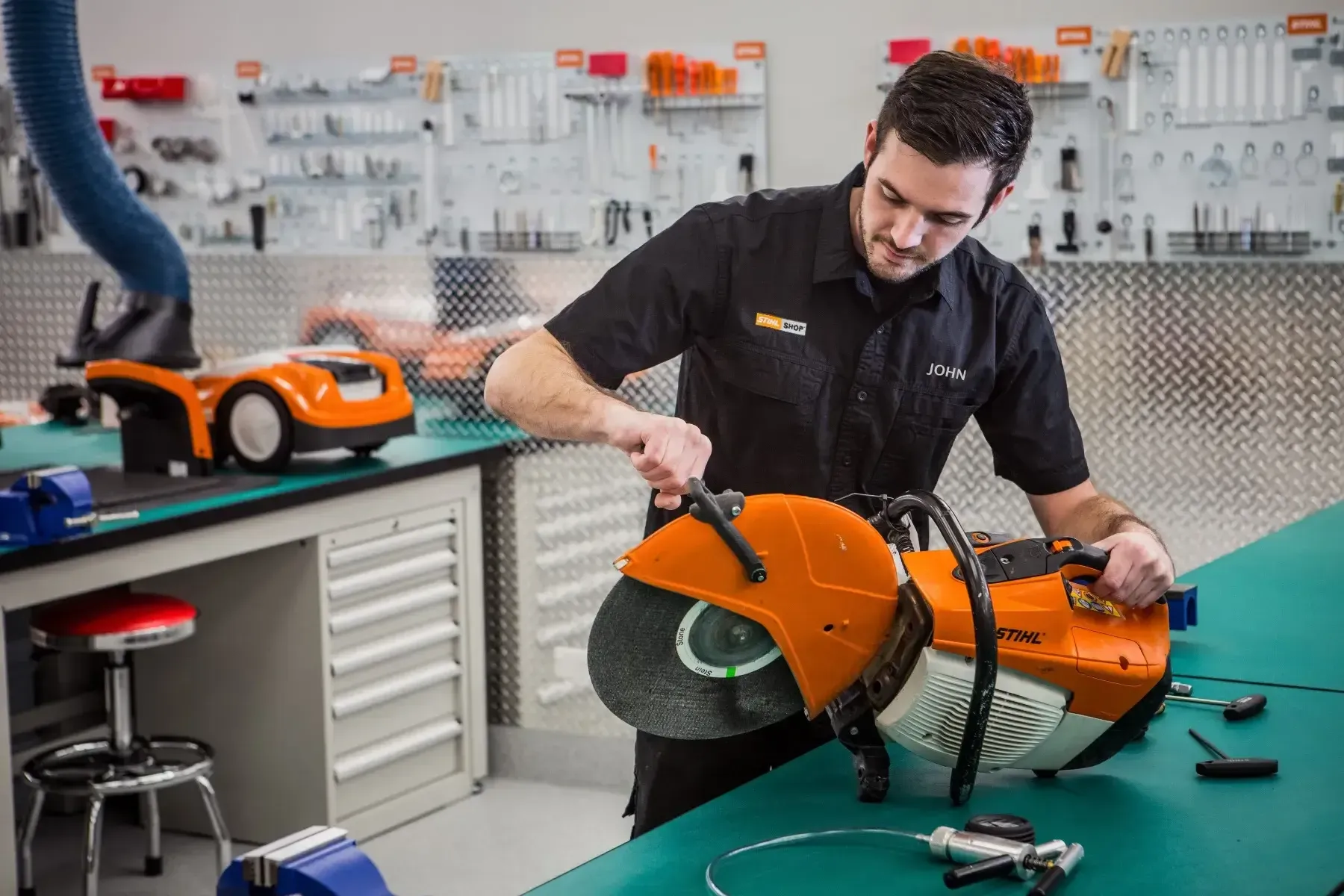
Introduction
Outdoor power equipment maintenance presents a choice: handle it yourself or leave it to professionals. Both approaches have merits, but understanding when each is appropriate can save you time, money, and prevent costly mistakes.
DIY maintenance appeals to hands-on owners who enjoy working on their equipment, while professional servicing ensures thorough, expert care. The right choice depends on your skills, equipment type, available time, and the complexity of the work needed.
This comprehensive comparison helps you decide when to roll up your sleeves and when to call in the experts, with practical guidance for New Zealand equipment owners.
Understanding the Options
Both DIY and professional servicing have distinct advantages and limitations.
DIY Maintenance
What it involves:
- Basic cleaning and lubrication
- Simple repairs and adjustments
- Regular inspection and care
- Using manufacturer manuals and online resources
- Learning through experience and tutorials
Best for:
- Routine maintenance tasks
- Simple repairs and adjustments
- Cost-conscious equipment owners
- People who enjoy hands-on work
- Equipment still under warranty (some tasks)
Professional Servicing
What it involves:
- Comprehensive system inspections
- Specialized tools and diagnostic equipment
- Expert knowledge and experience
- Warranty compliance
- Detailed documentation and records
Best for:
- Complex repairs and diagnostics
- Annual tune-ups and overhauls
- Safety-critical system checks
- Equipment under warranty
- When time is limited
Cost Comparison
Understanding the financial aspects helps make informed decisions.
DIY Costs
Upfront Investment:
- Basic tools: $100-$500
- Cleaning supplies: $50-$200 annually
- Replacement parts: $20-$200 per job
- Reference materials: $50-$100
- Storage space for tools and parts
Ongoing Expenses:
- Time investment (your labor is "free" but valuable)
- Learning curve (mistakes can be costly)
- Tool maintenance and replacement
- Potential warranty issues from DIY work
Professional Service Costs
Service Pricing:
- Basic tune-up: $80-$200
- Major service: $200-$500
- Complex repairs: $300-$1000+
- Annual service contracts: $150-$400
- Emergency repairs: Higher rates
Value Considerations:
- Professional expertise included
- Warranty protection maintained
- Time savings for busy owners
- Correct diagnosis first time
- Long-term equipment reliability
Skill Level Assessment
Honest evaluation of your abilities determines what you can safely handle.
DIY-Friendly Tasks
Basic Maintenance:
- Cleaning equipment after use
- Checking and adding fluids
- Replacing air filters
- Sharpening blades (with proper tools)
- Lubricating moving parts
- Inspecting for obvious damage
Simple Repairs:
- Replacing spark plugs
- Cleaning carburettors (basic)
- Adjusting drive belts
- Replacing fuel filters
- Basic electrical troubleshooting
Professional-Required Tasks
Complex Systems:
- Engine overhauls and rebuilds
- Transmission repairs
- Fuel injection system service
- Electronic control unit diagnostics
- Hydraulic system repairs
Safety-Critical Work:
- Brake system repairs
- Safety switch calibration
- Structural integrity checks
- Emission system compliance
- Warranty-covered repairs
Time Investment
Consider how much time you're willing to invest.
DIY Time Requirements
Learning Phase:
- Research and study: 5-20 hours initially
- Tool acquisition: 2-10 hours
- First attempts: Often take 2-3x longer
- Troubleshooting: Can consume hours
- Cleanup: Additional time after jobs
Routine Tasks:
- Basic maintenance: 30-90 minutes
- Simple repairs: 1-3 hours
- Complex jobs: 3-8 hours or more
- Learning new skills: Variable time investment
Professional Service Time
Drop-off Service:
- Travel time: 30-60 minutes round trip
- Wait time: 1-2 hours for same-day service
- Communication: 15-30 minutes total
- No hands-on time required
Mobile Service:
- On-site convenience
- No travel required
- Flexible scheduling
- Professional handles everything
Risk Assessment
Understanding potential downsides of each approach.
DIY Risks
Equipment Damage:
- Incorrect repairs causing further damage
- Voiding warranties through unauthorized work
- Using wrong parts or techniques
- Over-tightening or under-tightening components
- Missing underlying problems
Safety Concerns:
- Working with dangerous tools
- Handling hazardous materials
- Electrical shock potential
- Fire hazards from fuel systems
- Injury from improper techniques
Financial Risks:
- Costly mistakes requiring professional fixes
- Buying unnecessary tools or parts
- Extended downtime from failed repairs
- Reduced equipment lifespan
Professional Service Risks
Quality Concerns:
- Inconsistent service quality
- Rushed or incomplete work
- Using inferior replacement parts
- Misdiagnosis of problems
- Overcharging for unnecessary work
Convenience Issues:
- Scheduling conflicts
- Equipment unavailable during service
- Travel time and costs
- Dependency on service provider availability
Equipment Age and Value
Different equipment requires different maintenance approaches.
New Equipment (0-2 years)
DIY Approach:
- Basic cleaning and maintenance
- Warranty-covered repairs only
- Following break-in procedures
- Learning equipment specifics
- Building maintenance habits
Professional Approach:
- Dealer-performed warranty work
- Initial setup and adjustment
- Professional break-in service
- Expert advice on care
- Establishing service relationship
Mid-Life Equipment (3-7 years)
DIY Approach:
- Most routine maintenance
- Simple to moderate repairs
- Component replacement
- Performance optimization
- Preventive care
Professional Approach:
- Annual comprehensive service
- Major repairs and overhauls
- Diagnostic work
- Performance tuning
- Safety system checks
Older Equipment (8+ years)
DIY Approach:
- Basic maintenance only
- Simple repairs if cost-effective
- Assessment of repair value
- Parts availability research
- Decision-making on replacement
Professional Approach:
- Assessment of repair feasibility
- Major component replacement
- Rebuild vs. replace consultation
- Parts sourcing expertise
- Honest evaluation of equipment value
Specific Equipment Types
Different tools have different maintenance requirements.
Lawn Mowers
DIY-Friendly:
- Blade sharpening and replacement
- Air filter cleaning/replacement
- Oil changes
- Deck cleaning
- Basic adjustments
Professional-Required:
- Engine rebuilds
- Transmission repairs
- Electrical system diagnosis
- Carburettor overhauls
- Safety system calibration
Chainsaws
DIY-Friendly:
- Chain sharpening
- Bar maintenance
- Air filter cleaning
- Basic lubrication
- Chain tension adjustment
Professional-Required:
- Engine porting and modification
- Carburettor tuning
- Safety feature testing
- Compression testing
- Fuel system overhauls
Battery Equipment
DIY-Friendly:
- Cleaning and inspection
- Battery maintenance
- Basic electrical checks
- Software updates (some models)
- Storage preparation
Professional-Required:
- Battery cell replacement
- Motor repairs
- Electronic control diagnosis
- Advanced battery testing
- Warranty battery service
When DIY Makes Sense
Situations where do-it-yourself is the best choice.
Cost-Effective Scenarios
- Routine maintenance: Regular cleaning, lubrication, inspection
- Simple replacements: Filters, spark plugs, belts
- Basic adjustments: Carburettor, chain tension, tire pressure
- Learning opportunities: Building skills and knowledge
- Emergency fixes: Quick repairs to get equipment running
Skill-Building Benefits
- Understanding equipment: Learn how your tools work
- Cost savings over time: Reduced long-term service costs
- Independence: Less reliance on service providers
- Satisfaction: Personal accomplishment from successful repairs
- Troubleshooting skills: Better able to diagnose future problems
When Professional Service is Essential
Situations requiring expert attention.
Complex Problems
- Intermittent issues: Problems that are hard to reproduce
- Multiple system failures: When several things go wrong
- Diagnostic challenges: Need for specialized tools or knowledge
- Manufacturer requirements: Warranty or recall work
- Safety concerns: Any issue affecting safe operation
Time-Critical Situations
- Peak season needs: Equipment needed immediately
- Limited personal time: Busy schedules prevent DIY work
- Urgent repairs: Equipment failure during important work
- Professional deadlines: Business or commercial requirements
- Rental equipment: Need for quick turnaround
Hybrid Approach: Best of Both
Many owners combine both approaches effectively.
Balanced Strategy
DIY for:
- Daily and weekly maintenance
- Simple preventive care
- Basic troubleshooting
- Emergency temporary fixes
- Learning and skill building
Professional for:
- Annual comprehensive service
- Complex repairs and diagnostics
- Warranty work
- Safety-critical systems
- When time is limited
Building Relationships
- Regular service provider: Establish relationship with trusted shop
- Communication: Clear description of problems and needs
- Documentation: Keep records of all maintenance and repairs
- Feedback: Provide input on service quality
- Loyalty benefits: Often better service and pricing
Making the Decision
Assessment Questions
For DIY:
- Do I have the necessary skills and tools?
- Is this task within my comfort level?
- Will I void any warranties?
- Can I afford to make mistakes?
- Do I have time to do it properly?
For Professional Service:
- Is this a complex or safety-critical repair?
- Do I need specialized tools or knowledge?
- Is the equipment under warranty?
- Do I value my time more than the cost?
- Is professional service readily available?
Long-Term Considerations
- Equipment value: Cost vs. benefit analysis
- Personal skills: Willingness to learn and improve
- Available time: Realistic assessment of free time
- Risk tolerance: Comfort with potential mistakes
- Future needs: Planning for ongoing maintenance
The choice between professional servicing and DIY maintenance depends on your skills, time availability, equipment needs, and personal preferences. Neither approach is universally better — the optimal strategy often combines both.
Start with honest self-assessment of your abilities and resources. For complex work, safety-critical repairs, or when time is limited, professional service usually makes sense. For routine maintenance and simple repairs, DIY can save money and build valuable skills.
Remember that professional service doesn't eliminate the need for basic care — even regularly serviced equipment benefits from proper daily maintenance. The key is finding the right balance for your situation and equipment needs.
When in doubt, consult your local STIHL-certified workshop. They can provide honest assessments of what you can safely handle yourself and what requires professional attention.