
Introduction
New Zealand summers bring long days, high temperatures, and dusty conditions that can challenge even the best outdoor power equipment. From chainsaws working overtime on storm-damaged trees to lawn mowers battling dry, hard ground, summer puts unique stresses on your gear.
Proper summer maintenance isn't just about keeping things running — it's about preventing heat-related failures, dust contamination, and the accelerated wear that comes with hot, dry conditions. Understanding how summer affects your equipment helps you maintain it effectively.
This guide covers essential summer maintenance practices tailored for Kiwi conditions, from cooling systems to dust protection.
Understanding Summer Equipment Stress
Summer conditions create specific challenges for outdoor power equipment.
Heat-Related Issues
- Overheating engines from high ambient temperatures
- Accelerated oil breakdown in extreme heat
- Fuel evaporation in hot storage conditions
- Heat stress on batteries and electrical components
- Thermal expansion causing parts to seize or fail
Environmental Factors
- Dust and dirt accumulation from dry conditions
- Dehydration of lubricants and protective coatings
- UV damage to plastic and rubber components
- Increased fire risk from hot exhaust systems
- Corrosion acceleration from heat and humidity
Cooling System Maintenance
Keep your equipment cool to prevent overheating and component failure.
Air-Cooled Equipment
- Clean cooling fins: Remove dust and debris regularly
- Check air filters: Replace or clean more frequently in dusty conditions
- Monitor operating temperatures: Stop if equipment feels excessively hot
- Provide shade: Store equipment out of direct sunlight
- Allow cool-down periods: Let equipment rest between heavy use
Liquid-Cooled Systems
- Check coolant levels: Top up as needed with manufacturer-approved coolant
- Inspect radiators: Clean dust and debris from cooling fins
- Test thermostat operation: Ensure proper temperature regulation
- Check hoses and connections: Look for leaks or deterioration
- Flush cooling system: Annually or per manufacturer recommendations
Summer Lubrication Requirements
Heat affects lubricants differently, requiring special attention.
Oil and Grease Care
- Use summer-grade oils: Consider lighter viscosity oils for hot conditions
- Check oil levels frequently: Heat causes faster consumption
- Monitor oil condition: Change more often in extreme heat
- Grease moving parts: Apply high-temperature grease to bearings
- Clean and re-lubricate: Remove old grease before applying new
Cable and Control Maintenance
- Lubricate control cables: Prevent binding from heat expansion
- Check throttle operation: Ensure smooth movement in all temperatures
- Inspect safety switches: Heat can affect electrical contacts
- Test brake systems: Ensure proper operation in hot conditions
Dust and Debris Protection
Summer dust creates unique maintenance challenges.
Air Filter Systems
- Clean pre-filters daily: In dusty conditions
- Replace main filters regularly: Don't attempt to clean foam filters
- Check filter housing seals: Ensure dust-tight connections
- Use dust covers: When operating in particularly dusty areas
- Monitor filter condition: Replace at first sign of restricted airflow
Equipment Cleaning
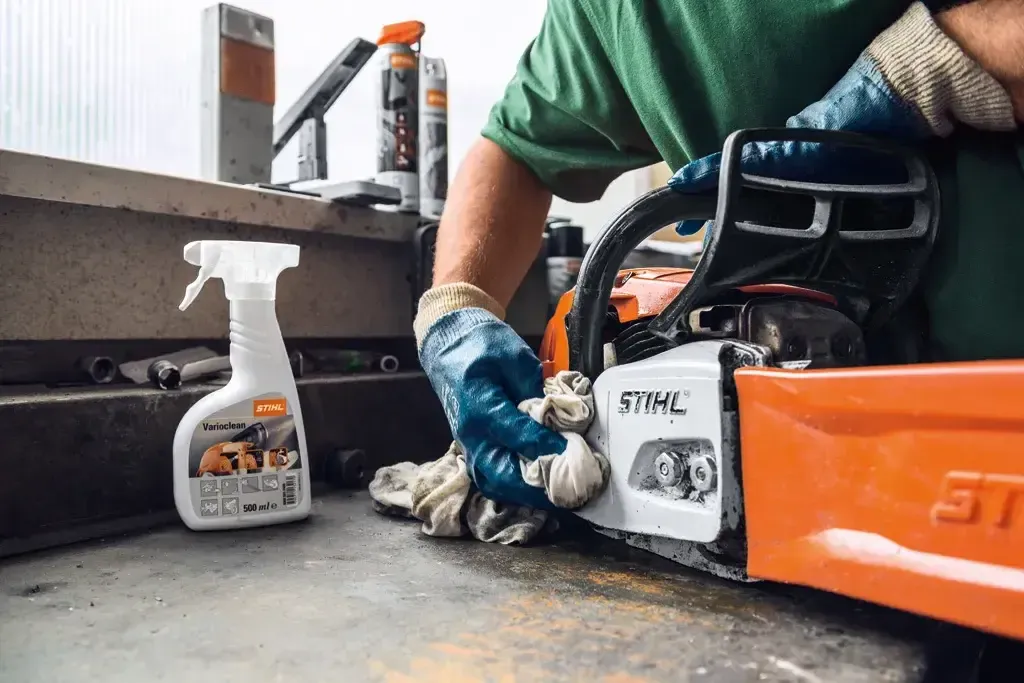
- Daily cleaning routine: Remove dust and debris after each use
- Compressed air cleaning: Blow out hard-to-reach areas
- Water cleaning: Use low-pressure water for caked-on dirt
- Dry thoroughly: Prevent moisture-related issues after cleaning
- Protect electrical components: Cover sensitive areas during cleaning
Fuel System Summer Care
Heat affects fuel systems in specific ways.
Petrol Equipment
- Use fresh fuel: Don't store fuel long-term in hot conditions
- Check fuel lines: Heat accelerates rubber and plastic deterioration
- Clean carburettors: Remove varnish buildup from evaporated fuel
- Monitor fuel filters: Replace if contaminated with dust or debris
- Store fuel properly: Keep in cool, shaded areas
Fuel Storage Tips
- Use approved containers: Ensure proper ventilation
- Store in shade: Prevent fuel expansion and evaporation
- Label fuel dates: Track freshness and usage
- Dispose properly: Don't use old or contaminated fuel
- Use fuel stabilizers: For equipment stored during summer
Battery Equipment Summer Care
Battery tools face unique challenges in hot weather.
Battery Management
- Store in cool locations: Avoid direct sunlight and hot vehicles
- Monitor charge levels: Heat affects battery capacity and life
- Allow cooling periods: Let batteries cool between charges
- Check battery contacts: Clean to prevent heat-related resistance
- Use appropriate chargers: Match charger to battery type and temperature
Electric Component Care
- Inspect wiring: Check for heat damage or melting
- Clean cooling vents: Ensure proper airflow to motors
- Test safety features: Heat can affect switch operation
- Monitor performance: Reduced power may indicate heat stress
- Store properly: Keep equipment in climate-controlled areas
Summer Safety Considerations
Heat affects not just equipment, but operator safety too.
Personal Protection
- Stay hydrated: Drink water regularly during equipment use
- Use sun protection: Wear hats, sunscreen, and protective clothing
- Take breaks: Avoid heat exhaustion from prolonged equipment use
- Work in shade: When possible, operate equipment in shaded areas
- Monitor weather: Avoid using equipment during extreme heat
Equipment Safety
- Check fire safety: Have fire suppression equipment nearby
- Monitor exhaust systems: Hot exhaust can start fires in dry conditions
- Inspect for damage: Heat can cause unexpected failures
- Use proper fuel: Avoid spills that could ignite in hot conditions
- Maintain safe distances: Keep equipment away from flammable materials
Summer Maintenance Schedule
Weekly Tasks
- Clean air filters and cooling systems
- Check fluid levels and top up as needed
- Inspect for dust accumulation and damage
- Test safety features and controls
- Lubricate moving parts and cables
Monthly Tasks
- Change engine oil in petrol equipment
- Clean and inspect fuel systems
- Check battery charge and condition
- Inspect belts, chains, and cutting components
- Test all safety and operational features
Seasonal Tasks
- Complete professional summer servicing
- Replace worn or damaged components
- Calibrate and adjust equipment settings
- Update maintenance records
- Plan for upcoming weather changes
Common Summer Equipment Problems
Overheating Issues
- Symptoms: Equipment runs hot, loses power, or shuts down
- Causes: Dirty cooling systems, low fluids, or excessive workload
- Solutions: Clean cooling systems, check fluids, reduce workload
Dust Contamination
- Symptoms: Reduced performance, hard starting, excessive smoke
- Causes: Poor air filtration, dusty operating conditions
- Solutions: Clean filters regularly, use dust protection, clean equipment daily
Heat-Related Failures
- Symptoms: Seized components, melted wiring, failed electronics
- Causes: Excessive heat, poor maintenance, age-related deterioration
- Solutions: Improve cooling, maintain regularly, replace worn parts
Professional Summer Servicing
Professional help ensures your equipment handles summer conditions properly.
What Professionals Check
- Cooling system efficiency and airflow
- Lubrication systems for heat resistance
- Fuel system condition and contamination
- Electrical components for heat damage
- Safety features for proper operation in heat
Benefits of Professional Service
- Expert diagnosis of heat-related issues
- Proper calibration for summer conditions
- Quality parts and lubricants for high temperatures
- Comprehensive testing in various conditions
- Warranty protection for serviced equipment
Summer Equipment Storage Tips
Even during summer, proper storage matters.
Short-Term Storage
- Shade and ventilation: Store in cool, airy locations
- Cover protection: Use breathable covers to prevent dust
- Fuel management: Keep fuel tanks appropriately filled
- Battery care: Store batteries in temperature-controlled areas
Long-Term Storage
- Complete maintenance: Perform full service before storage
- Fuel treatment: Add stabilizers and run equipment briefly
- Component protection: Apply protective coatings to metal parts
- Documentation: Record storage conditions and maintenance
Summer maintenance is about more than just keeping equipment running — it's about optimizing performance in challenging conditions. By understanding how heat and dust affect your outdoor power equipment, you can maintain it effectively and extend its working life.
Regular cleaning, proper lubrication, and attention to cooling systems will help your equipment handle the Kiwi summer with ease. When in doubt about summer maintenance, consult your local STIHL-certified workshop for expert advice and professional servicing.
Remember: equipment that stays cool performs better and lasts longer in summer conditions.