
Introduction
Leaf blowers aren’t just for autumn clean-ups — they’re versatile tools that make outdoor maintenance faster and easier all year round. From clearing fallen leaves to tidying decks, driveways, and gardens, a good leaf blower saves you hours of work with a rake or broom.
For Kiwi homeowners, choosing the right blower comes down to property size, intended use, and whether you prefer the power of petrol or the convenience of battery. With so many options available, it’s worth understanding the differences before making your decision.
This guide will walk you through the types of leaf blowers, key features to look for, and practical tips to get the best results in your yard.
Why Use a Leaf Blower?
Leaf blowers aren’t just about looks — they also protect your property and plants.
Benefits
- Time-saving: Clear leaves and debris in minutes, not hours.
- Healthier lawns: Removing thick layers of leaves prevents disease and patchy growth.
- Versatility: Clear driveways, gutters, and outdoor furniture quickly.
- All-season use: Useful for autumn leaves, spring pollen, summer grass clippings, and winter debris.
A blower turns tedious outdoor chores into simple, fast tasks.
Types of Leaf Blowers
Not all blowers are the same. Choosing the right style depends on the size of your yard and the type of work you’ll do.
Handheld Blowers
- Lightweight and easy to handle
- Perfect for small-to-medium sections
- Available in petrol and battery options
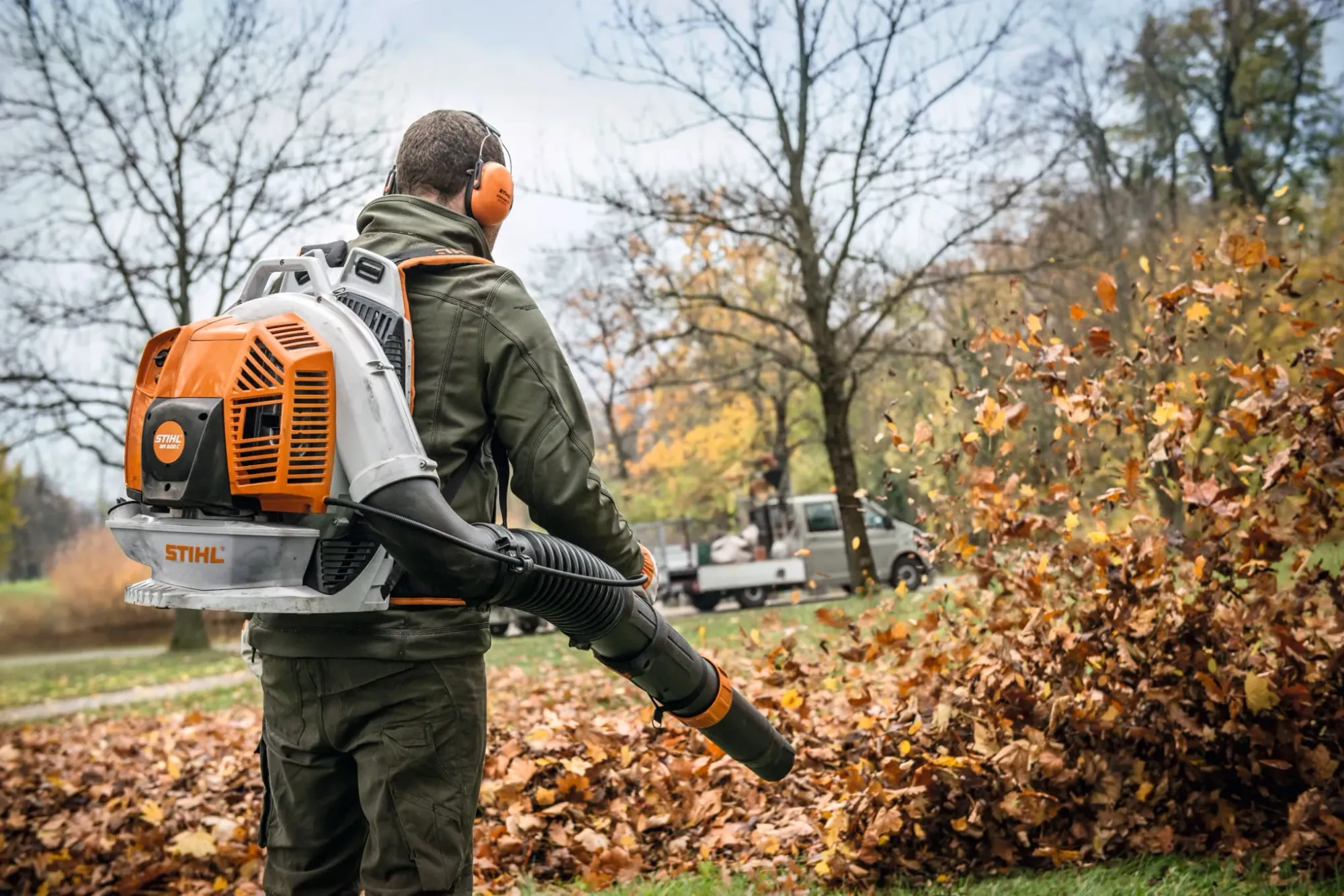
Backpack Blowers
- Worn on your back for comfort
- Deliver higher air volume and power
- Best for large properties or heavy debris
Vacuum/Mulcher Blowers
- Dual-purpose: blow leaves or vacuum them into a bag
- Mulches leaves to reduce waste volume
- Handy for gardeners who compost
Petrol vs. Battery Blowers
The choice between petrol and battery is one of the biggest factors when buying.
Petrol Blowers
- Pros: High power, long runtime, handles heavy debris
- Cons: Louder, requires fuel and servicing, heavier
Battery Blowers
- Pros: Lightweight, quiet, low-maintenance, eco-friendly
- Cons: Limited runtime per charge, less raw power for big jobs
Rule of thumb: Battery is ideal for residential Kiwi yards, while petrol shines for lifestyle blocks or commercial-scale work.
Key Features to Consider
When shopping for a leaf blower, keep an eye on these features:
- Air speed (km/h): Determines how forcefully debris is moved.
- Air volume (m³/h): Indicates how much material can be moved at once.
- Weight and comfort: Important for long jobs or larger yards.
- Noise levels: Battery models are much quieter for suburban use.
- Attachments: Nozzles, vacuum kits, or mulchers add versatility.
The best blower for you balances power with comfort and practicality.
Seasonal Tips for Using a Leaf Blower
- Autumn: Clear leaves regularly to avoid thick piles that damage grass.
- Winter: Use blowers to remove sticks, twigs, and storm debris.
- Spring: Tidy up pollen and seeds from paths and patios.
- Summer: Clear grass clippings after mowing for a neat finish.
Blowers aren’t just for one season — they’re useful year-round in Kiwi yards.
Safe and Efficient Blower Use
For the best results and safe operation:
- Always wear eye and ear protection.
- Blow leaves into piles for easier collection.
- Use low speed near gardens to avoid damaging plants.
- Avoid blowing debris toward neighbours or roads.
- Schedule maintenance or servicing before the busy autumn season.
These habits make yard work more efficient and safer for you and those around you.
Practical Tips for Kiwi Homeowners
- Match blower type to your property size.
- For urban gardens, a battery blower is usually best.
- For larger properties, consider a backpack petrol blower.
- Book annual servicing if you rely on your blower heavily.
- Store the blower clean and dry after each use.
A leaf blower is a must-have tool for keeping Kiwi yards tidy and lawns healthy. Whether you choose a compact battery model for small gardens or a powerful petrol backpack blower for bigger jobs, the right tool saves time and effort.
By understanding your property’s needs and investing in regular care, you’ll enjoy a cleaner, healthier outdoor space — season after season.