
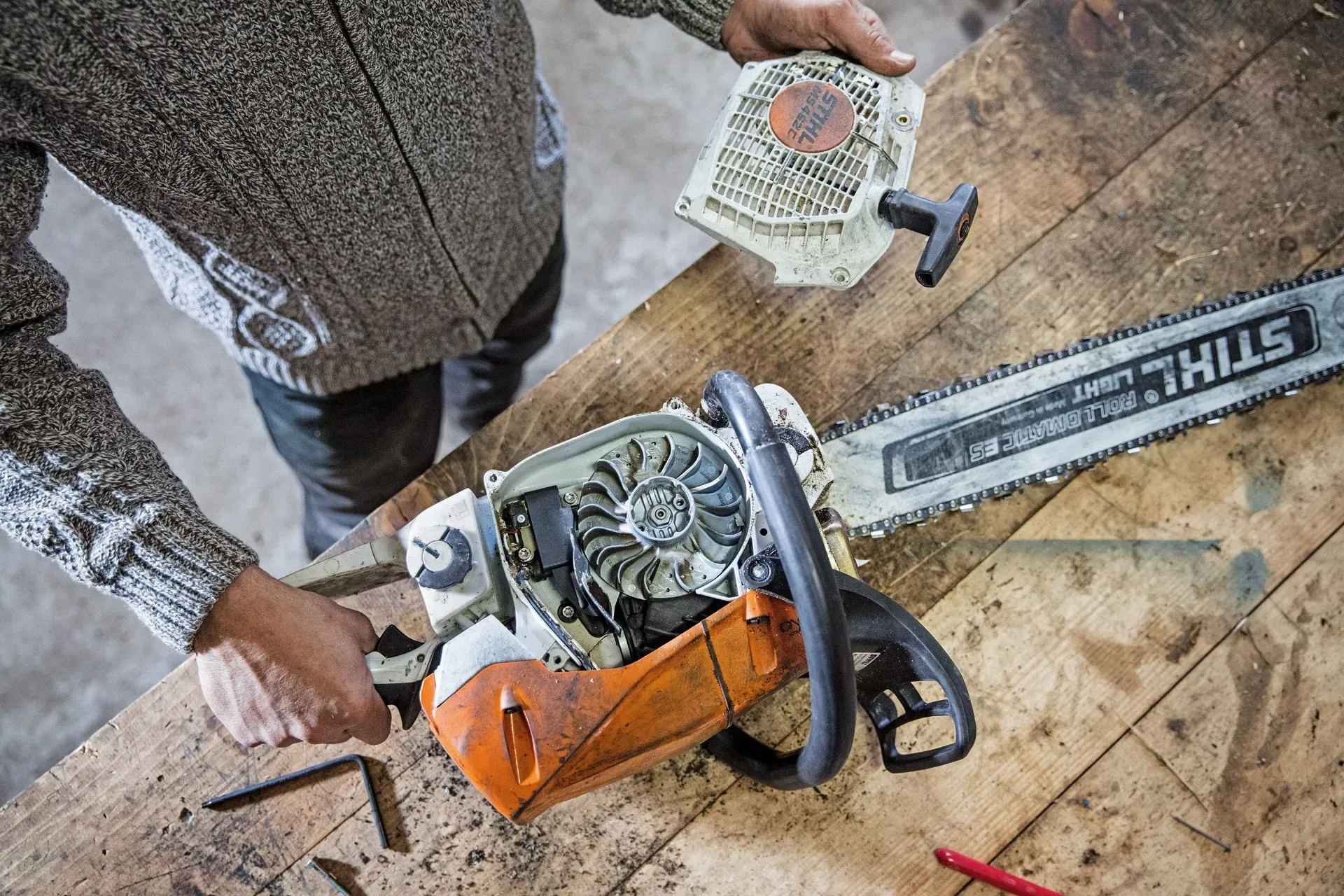
Introduction
As winter settles in across New Zealand, lawns grow more slowly, and outdoor jobs ease off. For many homeowners, this means the chainsaw and lawn mower are used less frequently, or not at all until spring. But simply parking your gear in the shed and forgetting about it can lead to rust, fuel problems, and frustrating breakdowns when the busy season returns.
Proper winter storage ensures your tools stay safe, clean, and ready for action. With a few simple steps, you can protect your investment, extend the lifespan of your equipment, and avoid unnecessary repair costs.
In this article, we’ll cover practical storage tips for chainsaws and lawn mowers, with advice tailored to Kiwi conditions.
Why Winter Storage Matters
Outdoor power equipment faces several risks if stored incorrectly during winter:
- Fuel degradation: Old petrol breaks down and clogs carburettors.
- Moisture damage: Cold, damp conditions cause rust and corrosion.
- Battery drain: Unused batteries lose charge and may not recover.
- Dull blades and chains: Left unsharpened, they make spring jobs harder.
Taking time to prepare now means fewer headaches later.
Step 1: Clean Your Equipment Thoroughly
Before storage, give your tools a good clean:
- Chainsaws: Remove sawdust, oil residue, and debris from the chain, bar, and sprocket cover.
- Lawn mowers: Clear grass clippings from under the deck, wheels, and chute.
Cleaning prevents rust, reduces mould growth, and keeps pests away.
Step 2: Fuel and Oil Management
Fuel left sitting for months can cause major issues.
Petrol Tools
- Run the tank dry or add a stabiliser to prevent fuel breakdown.
- Change the engine oil (for 4-stroke mowers) before storage.
- Drain bar oil from chainsaws if storing long-term.
Battery Tools
- Charge batteries to around 60% before storing.
- Keep them in a cool, dry place (not directly on concrete floors).
Step 3: Sharpen and Maintain Blades
Winter is the perfect time to sharpen and prepare cutting parts.
- Chainsaws: Sharpen the chain or replace it if worn.
- Lawn mowers: Sharpen or replace blades for a clean spring start.
This saves time when the growing season returns.
Step 4: Inspect and Replace Worn Parts
Check for any wear that should be fixed before storage:
- Belts and cables on mowers
- Spark plugs on petrol models
- Air filters on both chainsaws and mowers
Replacing small parts now avoids a service backlog in spring.
Step 5: Store in the Right Environment
Where and how you store your gear makes all the difference.
- Keep equipment in a dry, sheltered shed or garage.
- Cover machines with a breathable dust cover (avoid plastic tarps that trap moisture).
- Store chainsaws flat, with the chain guard fitted.
- For ride-ons, disconnect the battery or use a trickle charger.
Safety Considerations
- Never store petrol indoors near heat sources.
- Label stored fuel clearly and use fresh fuel in spring.
- Keep chainsaws and mowers out of reach of children.
Safety storage protects your family as well as your tools.
Practical Tips for Kiwi Homeowners
- Service gear in winter when workshops are quieter.
- Use winter downtime to organise tools and consumables.
- Keep spare chains, blades, and filters stocked for spring.
- Start each machine briefly once a month if possible.
- Note any issues to address before the next busy season.
Winter storage isn’t just about putting your mower and chainsaw away — it’s about preparing them for a strong start in spring. By cleaning, servicing, and storing properly, you’ll extend the life of your gear, save on repair costs, and enjoy reliable performance when you need it most.
Take a few hours this winter to store your equipment correctly, and your tools will thank you with years of dependable service.